
What Makes a Modern Paper Bowl Machine the Future of Eco-Friendly Food Packaging?
In the era of sustainability and efficiency, the Paper Bowl Machine has emerged as one of the most crucial technologies in the eco-packaging industry. Designed to automate the production of disposable paper bowls, this machine has become indispensable for manufacturers serving restaurants, takeaways, and eco-conscious food brands. With global restrictions on single-use plastics and a massive surge in demand for biodegradable food packaging, the paper bowl machine represents both innovation and responsibility in modern manufacturing.
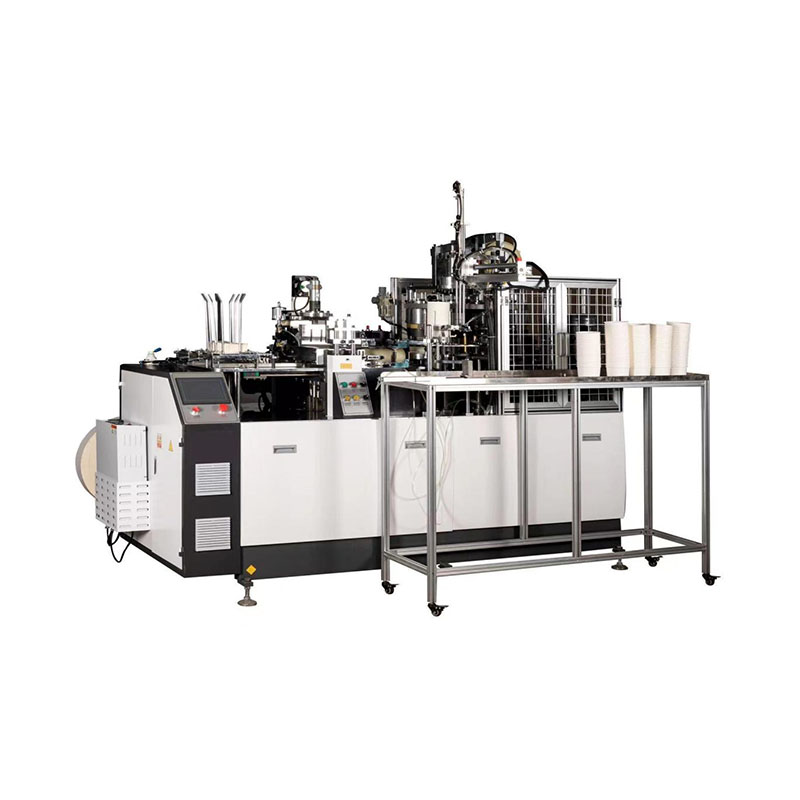
But what exactly is a paper bowl machine? At its core, it is an automated system engineered to convert paper sheets or coated paperboard into durable, leak-proof bowls. These bowls are widely used in food delivery, catering, and convenience industries, replacing plastic and foam alternatives. The process includes paper feeding, sealing, forming, and edge rolling — all in one continuous operation that ensures speed, uniformity, and hygiene.
The significance of this machine lies not only in its productivity but also in its alignment with sustainability goals. Businesses can reduce carbon emissions, minimize waste, and meet eco-regulatory requirements by adopting paper-based alternatives. Moreover, the demand for eco-friendly food containers continues to expand as consumers increasingly prefer recyclable and compostable options.
Why Is the Paper Bowl Machine a Smart Investment for Manufacturers?
The shift toward green manufacturing is more than just a trend — it’s a necessity. Investing in a paper bowl making machine allows businesses to meet environmental standards while maintaining profitability. The benefits extend far beyond production; they encompass cost-efficiency, quality assurance, and brand reputation.
Let’s explore the key advantages of using a modern paper bowl machine:
| Parameter | Specification/Feature | Benefits |
|---|---|---|
| Production Speed | 70–120 bowls per minute | Ensures high-volume output to meet growing market demands |
| Bowl Sizes | 300 ml – 1000 ml (customizable) | Allows flexible production for multiple product lines |
| Power Consumption | 3–5 kW/hour | Energy-efficient with reduced operating costs |
| Material Compatibility | PE coated paper, PLA coated paper, kraft paper | Supports various eco-materials for sustainability |
| Forming Method | Ultrasonic or heat sealing | Delivers strong leak-proof seams and stable shapes |
| Automation Level | Fully automatic with PLC control | Reduces manual labor, improves accuracy, and minimizes waste |
| Machine Weight | 1500–2000 kg | Heavy-duty construction ensures long service life |
| Dimension (L×W×H) | Approx. 2700×1600×1900 mm | Compact structure suitable for various factory sizes |
| Error Detection System | Automatic fault alarm | Enhances safety and simplifies maintenance |
From a financial perspective, the machine’s durability and low maintenance requirements make it an asset with quick ROI potential. Manufacturers can achieve a consistent product standard, reduce human error, and scale operations seamlessly to meet growing orders from cafes, food delivery services, and retail chains.
Furthermore, the global push toward biodegradable packaging has opened lucrative export opportunities. Countries like the United States, Germany, and Australia have seen rising demand for paper packaging, creating a fertile market for businesses adopting these technologies early.
How Does the Paper Bowl Machine Operate Efficiently and Sustainably?
Understanding the workflow of a paper bowl machine reveals why it stands at the intersection of technology and sustainability. Its automation system integrates mechanical precision with environmental considerations, ensuring minimal waste and optimal performance.
The process typically follows these key stages:
-
Paper Feeding – High-quality coated paper rolls are automatically fed into the machine.
-
Heating and Sealing – The paper is heated and formed into a cylindrical shape; edges are sealed using ultrasonic or heat sealing technology.
-
Bottom Cutting and Sealing – The bottom disc is cut and attached to the cylinder with perfect alignment to prevent leakage.
-
Bowl Forming – The combined structure is shaped under high pressure into a sturdy bowl.
-
Rimming or Curling – The bowl’s top edge is curled for smoothness and durability.
-
Discharge and Stacking – Finished bowls are automatically counted, stacked, and ready for packaging.
This streamlined automation minimizes human involvement while maintaining hygiene — a critical factor for food-grade packaging.
Eco-Efficiency at Its Core
Modern paper bowl machines are engineered for energy optimization. The incorporation of servo motors, infrared heating systems, and intelligent temperature control reduces power consumption significantly. Moreover, scrap material generated during production can be recycled, contributing to a zero-waste manufacturing process.
The use of PLA-coated paper—a biodegradable polymer derived from renewable resources—further enhances the eco-value of the final product. As global governments tighten environmental laws, adopting such materials through advanced machinery positions businesses at the forefront of compliance and innovation.
What Are the Future Trends and Key Challenges in Paper Bowl Manufacturing?
The paper packaging industry is evolving rapidly, and the role of the paper bowl machine continues to expand alongside these changes. The future points toward smart manufacturing, automation integration, and sustainable innovation.
Key Trends to Watch:
-
Intelligent Automation: Integration of IoT and AI-based systems allows real-time monitoring, predictive maintenance, and production data analytics to improve efficiency.
-
Material Innovation: The shift from PE to PLA and water-based coatings will make products 100% compostable.
-
Customization & Branding: Digital printing and flexible mold design enable personalized packaging solutions that reflect brand identity.
-
Energy Efficiency: Manufacturers will prioritize machines with lower carbon footprints and enhanced operational safety.
-
Global Expansion: With growing environmental awareness, developing markets in Asia, Africa, and South America are seeing rapid adoption of paper bowl production technologies.
However, the challenges remain in material sourcing costs, coating technology improvements, and maintaining consistent bowl strength while using eco-friendly materials. To overcome these, manufacturers must invest in R&D and equipment upgrades that keep pace with changing industry standards.
Common FAQs About Paper Bowl Machines
Q1: What type of paper is most suitable for making paper bowls?
A1: The ideal material is PE or PLA-coated food-grade paper, which provides water and oil resistance. Kraft paper with biodegradable coating is also popular for its strength and eco-friendliness. The coating prevents leakage, allowing bowls to hold hot soups, noodles, and other liquids without deformation.
Q2: How long does it take to set up and operate a paper bowl machine?
A2: Setup typically takes a few hours depending on operator experience. Once calibrated, the machine runs continuously with minimal supervision. Automatic systems with PLC control make it easy to manage temperature, pressure, and bowl size changes. Operators receive alerts for any production faults, ensuring consistent quality and safe operation.
Conclusion: Driving the Future of Green Packaging with Yongbo
The paper bowl machine is more than a piece of industrial equipment — it is a strategic investment in the future of eco-friendly packaging. By combining high-speed production, automated precision, and sustainability, it helps manufacturers meet the growing demand for biodegradable food containers while boosting operational efficiency and profit margins.
As environmental regulations tighten and consumer expectations evolve, embracing modern manufacturing technology becomes essential. Companies that integrate paper bowl machines into their production lines not only gain a competitive edge but also contribute to a cleaner planet.
Yongbo, a trusted manufacturer in the paper container machinery industry, continues to innovate with advanced designs, durable components, and eco-optimized solutions. For businesses aiming to expand sustainably and efficiently, Yongbo’s paper bowl machines offer unmatched performance, reliability, and long-term value.
Send Inquiry



X
We use cookies to offer you a better browsing experience, analyze site traffic and personalize content. By using this site, you agree to our use of cookies.
Privacy Policy