
What Makes a Paper Cup Machine the Future of Eco-Friendly Packaging?
The Paper Cup Machine is an advanced piece of industrial equipment designed to produce disposable paper cups efficiently and in large quantities. With the growing emphasis on environmental protection and the global reduction of plastic waste, the paper cup has become a symbol of eco-conscious consumption. This machine automates every stage of cup production—from feeding, sealing, heating, and forming to ejecting finished cups—ensuring consistent quality and minimal waste.
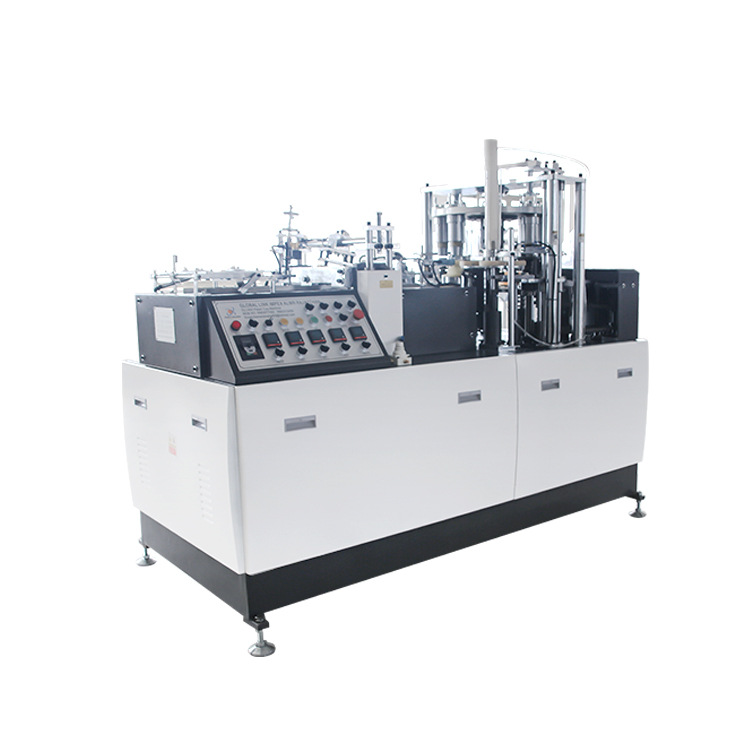
The importance of a Paper Cup Machine lies in its ability to meet the increasing global demand for sustainable packaging solutions. Unlike plastic cup production, which involves complex chemical processes and generates significant environmental pollution, paper cup manufacturing uses biodegradable materials, making it more suitable for today’s green economy.
A well-designed Paper Cup Machine ensures high-speed production, reduced labor costs, and reliable performance across different paper grades. It is widely used in coffee shops, beverage industries, fast-food chains, and event catering services, where disposable yet eco-friendly packaging is essential.
To better understand the technical side, here are the general product parameters of a standard high-speed Paper Cup Machine:
| Parameter | Specification |
|---|---|
| Cup Size Range | 3 oz – 16 oz |
| Production Capacity | 80–120 cups per minute |
| Paper Material | Single or Double PE-coated paper |
| Paper Weight | 150–350 gsm |
| Power Supply | 380V / 50Hz |
| Total Power | 7.5 kW |
| Air Source | 0.4 MPa, 0.3 m³/min |
| Machine Weight | 2500–3000 kg |
| Dimension (L×W×H) | 2600 × 1200 × 1800 mm |
These specifications may vary slightly depending on model and customization options, but they highlight the precision, automation level, and industrial-grade stability that define modern Paper Cup Machines.
Why Choose a Paper Cup Machine: What Are Its Core Advantages and Industrial Benefits?
The Paper Cup Machine offers numerous advantages that make it an ideal investment for businesses aiming to balance production efficiency with environmental responsibility. Let’s explore the key benefits that distinguish it from traditional manufacturing systems:
a. Environmental Sustainability
Paper cups made using these machines are biodegradable and recyclable, reducing plastic pollution. The use of PE or PLA coatings enhances waterproofing while maintaining eco-friendliness, aligning perfectly with global regulations on single-use plastics.
b. High Production Efficiency
Modern Paper Cup Machines integrate automatic lubrication, photoelectric tracking, and PLC control systems, which reduce human error and downtime. The fully automated process can produce thousands of cups per hour, meeting high-volume demands for commercial use.
c. Precision and Consistency
Each cup maintains uniform thickness, shape, and sealing quality due to advanced mechanical design and temperature-controlled heating systems. This consistency ensures customer satisfaction and brand reliability for beverage companies.
d. Low Operational Costs
Once installed, the machine requires minimal supervision. The energy-efficient motor systems and reduced waste output directly cut down production costs, making it an economically sound choice for manufacturers.
e. Versatile Application
It can produce tea cups, coffee cups, cold drink cups, and even custom-branded cups for marketing purposes. Manufacturers can easily switch between different cup sizes with minor adjustments, offering flexibility for diverse product lines.
The Paper Cup Machine stands at the intersection of technology, sustainability, and profitability, empowering industries to transition smoothly into greener production practices.
How Does a Paper Cup Machine Work and What Technologies Drive Its Performance?
To fully appreciate the innovation behind the Paper Cup Machine, it’s essential to understand its working mechanism and the technology it employs.
a. Feeding and Bottom Cutting
The process starts with feeding pre-printed paper rolls into the machine. The paper is cut into individual blanks, which will later form the cup’s body. The machine also cuts circular pieces for the bottom part of the cup.
b. Side Sealing and Pre-Heating
The paper blank is curled into a cylindrical shape, and its sides are sealed using ultrasonic or hot air heating methods. Pre-heating softens the material, making it easier to shape and seal without leaks.
c. Bottom Knurling and Folding
The bottom paper piece is inserted and sealed through mechanical pressure and heat. Knurling ensures that the bottom is tightly locked and leak-proof.
d. Curling and Finishing
The upper edge of the cup is curled outward for smoothness and durability. This step ensures user comfort and enhances the cup’s structural strength.
e. Ejection and Stacking
Once complete, the cups are automatically ejected and stacked for packaging. Some high-end models include counting and packaging automation features, further streamlining operations.
These machines incorporate servo motors, photoelectric sensors, and PLC controllers, ensuring precision and real-time monitoring of each stage. The overall process requires minimal human intervention and guarantees steady, high-quality output.
Technological Innovations in Modern Machines:
-
Servo-driven cup forming: Improves accuracy and reduces mechanical wear.
-
Ultrasonic sealing: Eliminates adhesive contamination and supports recyclable materials.
-
Automatic fault detection: Sensors alert operators in case of misfeeds or sealing errors.
-
Energy-saving systems: Lower electricity consumption through smart motor control.
In summary, the Paper Cup Machine represents a technological evolution that combines automation, sustainability, and reliability, redefining the standards for disposable cup manufacturing.
What Is the Future of Paper Cup Manufacturing and How Will It Shape Global Sustainability Trends?
The future of paper cup manufacturing is intertwined with the world’s sustainability goals. As more governments restrict plastic usage, demand for paper-based packaging continues to rise. The Paper Cup Machine industry is evolving in three significant directions:
a. Transition Toward Fully Compostable Materials
Manufacturers are increasingly adopting PLA (Polylactic Acid) coatings and water-based lamination, enabling full biodegradability. The machines are being redesigned to handle these eco-materials efficiently without compromising performance.
b. Integration of Smart Technologies
Future machines will feature IoT (Internet of Things) integration, enabling real-time monitoring, remote diagnostics, and predictive maintenance. These enhancements will increase uptime and reduce energy waste.
c. Customization and Design Flexibility
Brands are emphasizing personalized packaging to strengthen consumer engagement. Next-generation Paper Cup Machines will allow rapid mold changeovers and digital printing compatibility, making small-batch, custom designs economically feasible.
d. Energy-Efficient and Noise-Reduced Operations
Newer systems are being engineered for low-noise performance and optimized energy use. Enhanced servo control, automatic lubrication, and smart temperature management contribute to sustainable industrial practices.
These advancements will enable the Paper Cup Machine to remain the cornerstone of environmentally friendly packaging solutions worldwide. As industries pivot toward a circular economy, such machines will play a vital role in reducing waste, conserving resources, and ensuring cleaner production.
Frequently Asked Questions (FAQ)
Q1: What type of paper is best suited for use in a Paper Cup Machine?
A1: The most suitable paper is PE-coated or PLA-coated paper, typically ranging from 150 to 350 gsm in thickness. PE (Polyethylene) coating provides waterproofing, while PLA (Polylactic Acid) offers a biodegradable alternative for eco-friendly cups. The choice depends on the application—hot beverages usually require double PE coating, while cold drinks can use single PE coating.
Q2: How can manufacturers ensure the quality and longevity of a Paper Cup Machine?
A2: Regular maintenance is key. Manufacturers should clean heating components, lubricate mechanical parts, and check alignment and sensors periodically. Using high-quality paper and keeping the operating environment free from dust and moisture also help prolong machine life. Reliable brands provide after-sales service and spare parts support, ensuring long-term stability.
Why Yongbo Machinery Leads the Paper Cup Machine Industry
As environmental awareness continues to reshape global packaging trends, the Paper Cup Machine stands as a critical innovation in sustainable manufacturing. Its efficiency, reliability, and compatibility with biodegradable materials make it the preferred choice for modern businesses striving to reduce their ecological footprint.
Yongbo Machinery is a trusted leader in Paper Cup Machine production, known for engineering excellence, robust design, and continuous technological innovation. Each model is crafted to meet international standards of performance, safety, and durability. From small enterprises to global beverage brands, Yongbo Machinery delivers solutions that empower businesses to scale responsibly and sustainably.
For inquiries, specifications, or partnership opportunities, contact us today to discover how Yongbo Machinery can support your next step toward eco-friendly and profitable paper cup production.
Send Inquiry



X
We use cookies to offer you a better browsing experience, analyze site traffic and personalize content. By using this site, you agree to our use of cookies.
Privacy Policy